
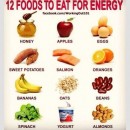
12 Foods To Eat For Energy
Want More Energy? Rather than reaching for your usual caffeinated drink, try choosing healthy foods to boost your energy level – naturally! 12 Foods To Eat For Energy • Honey • Apple • Egg • Sweet Potato • Wild Salmon • Orange • Banana • Oats • Beans • Spinach • Plain Yogurt (I realize the picture above is some kind of fruit yogurt – make sure you always choose the plain yogurt, otherwise it’s loaded with sugar and/or artificial sugars. Just say no to the flavored stuff and pick plain! You can always add your own fruit or honey to sweeten it up) • Almonds Feel free to follow Skinny...
Read More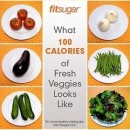
100 Calorie Snacks
In recent years, 100 calorie snack packs have become super popular. Everyone wants to eat low calorie foods to lose weight or keep the weight off. The problem? Most – if not all – 100 calorie snack packs aren’t healthy for you…at all. Just because it’s only 100 calories…doesn’t make it healthy! It just means it’s “only” 100 calories of junk food. I suggest choosing to eat more nutrient-dense foods that are low in calories, such as VEGETABLES. Not only will you lose weight, but you’ll feel great. You’ll have more energy and you’re going to feel full. Let’s not forget how miserable it is to eat those 100 calorie snack packs only to still feel hungry (and let’s be honest, how many of us actually just eat ONE of those 100 calorie snack packs?). What’s your favorite go-to...
Read More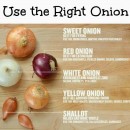
Use The Right Onion
This is a great guide to help you learn what type of onion you should use for different recipes. Sweet Onion – Best for frying (in coconut oil – of course!), such as onion rings or roasting with vegetables. Red Onion – Best for eating raw, like in sandwiches or salads. White Onion – Crunchiest and Sharpest Zing! Great for Salsas! Yellow Onion – Best all-around cooking onion. Very versatile, good for meat or vegetable roasts. Yum! Shallot – Mild and Subtle, fantastic for bean dips for added flavor (but not too strong). Feel free to follow us, however you...
Read More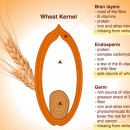
Whole Wheat Flour vs White Flour
Whole Wheat Flour vs White Flour If we are going to eat wheat, we have been advised to eat whole wheat products rather than white flour products – do you know why? Check out the above infographic! As you can see, the Bran layers and the Wheat germ are missing from white flour products. With white flour, you are missing most of the fiber, and a lot of the nutrients. Skip the white flour products – for good! – and start going with whole wheat or whole grain products. If you have a sensitivity to wheat, make sure you still choose healthy choices, such as brown rice versus white rice. It’s a very similar concept to whole wheat flour and white flour. Bottom Line: Choose to use products that use the WHOLE grain, rather than parts of it. Feel...
Read More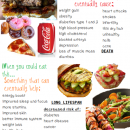
Which Foods Will You Choose To Eat?
Every day we have the choice of what we are going to eat and put into our body. We can either choose junk food that will harm our body, or we can choose healthy food that will provide nutrients that our body needs to heal and live a healthy life. It’s a choice. Choose health! Feel free to follow us, however you...
Read More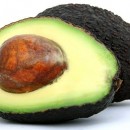
5 Surprising Foods that Promote Weight Loss
Whether you have simply gained a few pounds over the festive season or you have decided that you want to achieve a healthier body weight, the New Year is a popular time to make dietary changes to aid weight loss. A balanced calorie-controlled diet used in combination with regular exercise is the key to losing those excess pounds. However, if you have tried to follow strict “diets” in the past, where certain healthy foods are banned, the concept of including all food groups is probably welcome news. You may still wonder though whether it’s really possible to lose weight merely by following a sensible eating approach. To demonstrate that this is the case, here we take a look at five foods traditionally excluded, which have actually been proven to help with weight loss. Yogurt You may have heard that dairy...
Read More
Heidi Klum’s New Year’s Detox
Heidi Klum recently completed the Master Cleanse program to start her New Year with a healthy detox. Heidi documented her journey on her Instagram account. For the first day of the Master Cleanse, Heidi posted this picture of the ingredients needed for the detox: Lemons, Cayenne Pepper, and Organic Maple Syrup. Day 2 of the Master Cleanse, Heidi posted a picture of her sipping her cleanse. On Day 3 of the cleanse, Heidi shared a picture of her on the go with her cleanse in tow. On Day 5, Heidi shared a picture stating, “Day 5, back to solid food”. You can see that she enjoyed 3 soft boiled eggs, lettuce, tomatoes, and avocado. It doesn’t look like Heidi did the full program, since she was already back on solid foods by Day 5. Considering she...
Read More
Why You Should Ditch The Alcohol For Weight Loss
When a individual is looking into proper ways to shed excess weight, they will want to take a closer look at the alcohol they are consuming. Many don’t realize that alcohol does have a lot of calories, and when you’re drinking, this can easily add up to many calories real fast. In addition, the more you consume, over time the more you could actually be sabotaging your weight loss efforts. Alcohol And Your Liver If you are consuming a lot of alcohol, the contents from these drinks go straight to the liver. What many may not further realize on why they cannot shed weight is down to the way our liver is actually functioning for us. The liver is actually responsible for the way that our body handles the calories that we consume over time. If this vital organ is...
Read More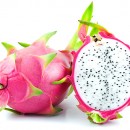
Try New Food For Additional Health Benefits
The Many Benefits of Eating Weird and Wonderful Foods Anyone with an interest in health and nutrition should know about the health benefits associated with a balanced diet. At the risk of generalizing, health conscious people are basically the same underneath. We all aspire to the same goal – optimum vitality for ourselves and our loved ones. In today’s fast paced society, health and wellbeing have never been more important – and understanding the delicate balance of vitamins and minerals required by the human body is one way of helping to safeguard against illness and disease. Are You Stuck In A Nutritional Rut? Unfortunately, even the most health conscious people can get stuck in a ‘food rut’, gravitating towards the same healthy snacks in the grocery store and cooking the same meals every day. Not only is this painfully...
Read More