
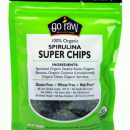
Spirulina Super Chips
Crunchy? Check. Sweet? Check. Super duper healthy? Check! Spirulina Super Chips I was at my local health food store looking for something yummy to eat when I found these Spirulina Super Chips. They looked extremely healthy, and was just hoping that they tasted a lot better than they looked! ;) Luck was on my side and I found these Spirulina Super Chips to be extremely delicious! In fact, they taste a lot like dehydrated banana chips – only better! Ingredients: Sprouted Organic Sesame Seeds Organic Bananas Organic Coconut (Unsulphured) Organic Dates Organic Spirulina What Makes This Snack “SUPER”? These Spirulina Chips are made with 100% organic ingredients, which means no GMOs! The sesame seeds are sprouted! This means they are packed with even more nutrients for your body by releasing enzymes which make them easier to digest. Sprouted seeds are among...
Read More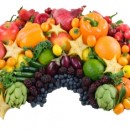
Why You Should “Eat The Rainbow”!
When I was growing up, I remember my Mom teaching me that it was important to “eat the rainbow”. At the time, I thought it had more to do with the presentation of a meal, but as I have studied more about nutrition, I realize that “eating the rainbow” had more to do with eating a variety of nutrients that have a powerful impact on our overall health, and less to do with Skittles® candies. How To Eat The Rainbow “Eating the Rainbow” refers to the practice of eating fruits and vegetables of all the different colors to provide your body with a variety of nutrients. Produce with similar colors tend to have many of the same nutrients and health benefits, which makes it important to eat from all of the different colors of “the rainbow”! I have listed...
Read More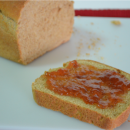
Whole Wheat Bread
Have you ever tasted whole wheat bread that was 100% healthy, delicious, and still had a wonderful texture that didn’t remind you of a brick? This last year my Mom gave me her whole wheat bread recipe and taught me the simple tricks for the most perfect whole wheat bread. Ingredients: 3 cups Warm Water 1/3 cup melted Coconut Oil 1/3 cup Agave Nectar 8 cups Whole Wheat Flour 1 tablespoon Sea Salt 1 1/2 tablespoon Instant Yeast 2 tablespoons Dough Enhancer Extra melted Coconut oil for kneading the dough on the counter top and for “glazing” the bread once it’s done. 2 Bread Pans Instructions: Step 1) Combine the warm water, melted coconut oil, and agave nectar in mixer. Step 2) Add 4 cups of the whole wheat flour, the sea salt, instant yeast, and dough enhancer into...
Read More
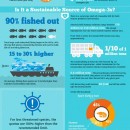
Krill Oil versus Fish Oil
Krill oil and fish oil are two of the most popular omega-3 supplements today. Check out this infographic, which shows the differences between krill oil and fish oil. Find out which one is for you, and don’t forget to share this helpful information with your family and friends! Feel free to follow us, however you...
Read More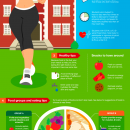
A Student’s Guide to Health and Fitness
Whether you are a full time college student or not, this infographic showing a student’s guide to health and fitness can help you get (or stay!) in shape. This is a great health infographic – however – I need to put in my two cents about the Food Groups and Eating Tips section. Group A: Whenever possible, try to buy organic whenever possible. As a student, you are probably on a budget (aren’t we all?!), so save money on organic produce by shopping at your local Farmer’s Market! Group B: Carbohydrates are not the enemy. The type of carbs you eat and how much you eat – is usually the problem. Stick to whole grains (check the labels!) and eat within moderation. Most people just aren’t physically active enough to eat a ton of carbohydrates for every single meal. Group C:...
Read More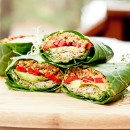
Raw Green Vegan Collard Wraps
Raw Green Vegan Collard Wraps Recipe Ingredients: • 4 large collard leaves • 1 red bell pepper • 1 avocado • 2-3 ounces alfalfa sprouts • ½ lime • 1 cup raw pecans • 1 tablespoon tamari (tamari is a gluten-free soy sauce, but you can also use Liquid Aminos by Bragg, which tastes like soy sauce) • 1 teaspoon cumin (or ½ teaspoon minced garlic and ½ teaspoon grated ginger) • 1 teaspoon extra virgin olive oil For full recipe instructions, please visit avocadopesto.com Feel free to follow Skinny...
Read More
Health Benefits of Phosphorous
Generally phosphorous is considered as one of the most essential nutrients needed by the body for good cell functioning, circulation of blood throughout the body, strongly building teeth as well as bones, regulating calcium circulation throughout the body, production of ATP as well as generates from energy in your cells. As much their existence is felt, that much their deficiency is felt. Their deficiencies cause a lot of pain in muscles, lower the amount of appetite, improper formation of bones, even causes anemia, weakens your immune system etc. conversely if you consume a lot of phosphorous, then your body will send some calcium from the part of bones to the circulating blood in order to attempt the restoration of balance. This channelizing section of calcium helps in weakening the bone structure, as well as causes the calcification of the...
Read More